Turn Local Records Into Connected Community History

Archoral helps historical societies connect photographs, documents, oral histories, people, places, events, and objects so local history can be understood—not merely stored.

Preserve the Knowledge Behind the Collection

Many historical societies hold valuable material across boxes, folders, computers, spreadsheets, and the memories of longtime volunteers.

The greatest risk is not simply losing a file. It is losing the knowledge of who appears in a photograph, why a place mattered, how an object was used, or how one local event connects to another.

Archoral gives that context a structured home.

Build a Connected Local Archive

Historic photographs and albums

Letters, diaries, newspapers, and scanned documents

Oral histories and recorded interviews

Residents, families, organizations, and community leaders

Buildings, neighborhoods, landmarks, and former businesses

Local events and historical timelines

Artifacts, heirlooms, and donated objects

Research notes and community memories

Connect People, Places, Events, and Materials

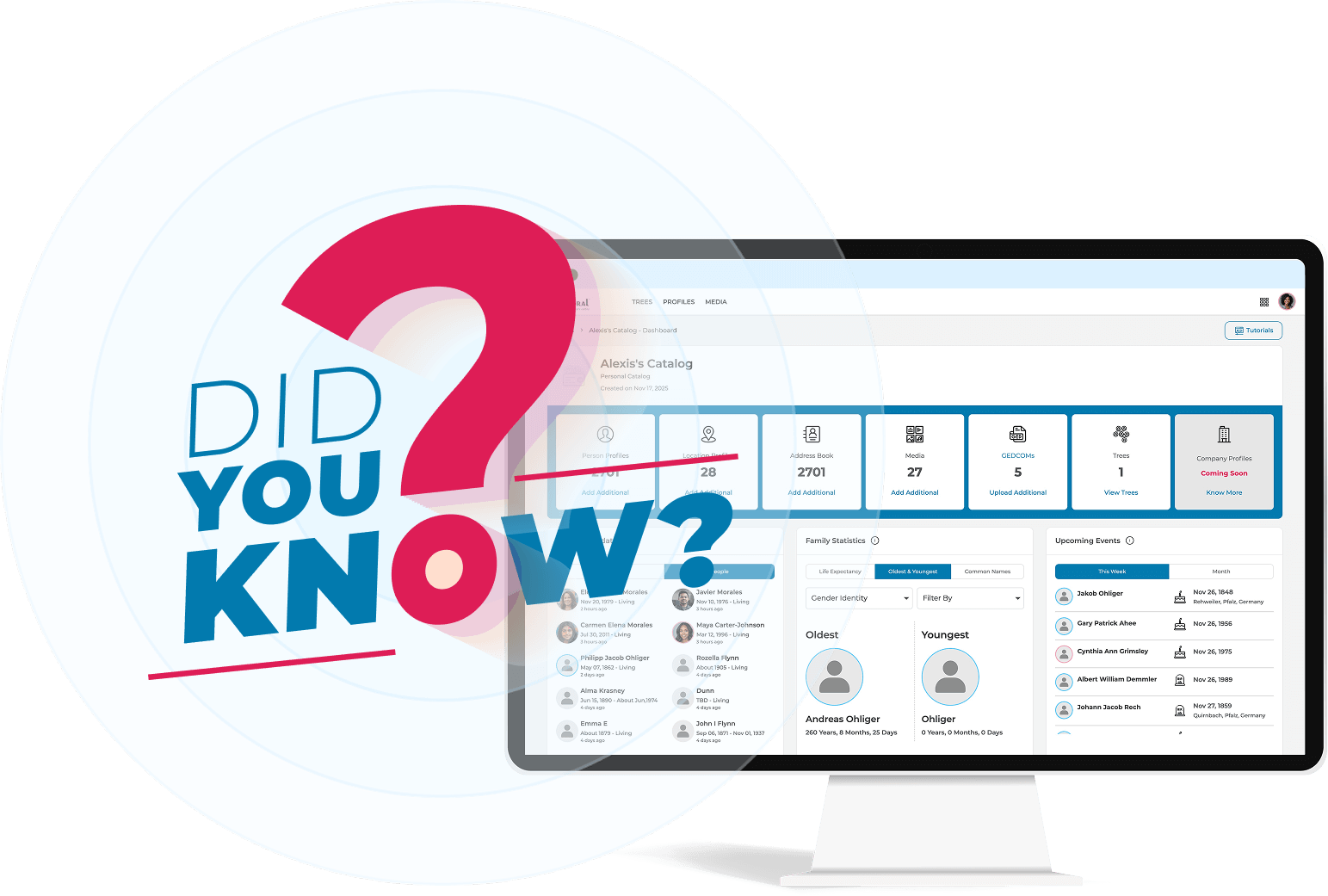
A single image can be associated with multiple residents, a particular building, an organization, and a community event.

Archoral preserves those connections, helping researchers and future volunteers understand why each item matters.

Give Volunteers Appropriate Access

Historical societies can invite staff members, volunteers, researchers, and community contributors with controlled permissions.
The archive owner determines who can view, contribute, or edit information. This allows the organization to gather knowledge while maintaining oversight of the collection.

Example Historical Society Workflow

Select a Pilot Project

Select one collection, neighborhood, organization, or event as a pilot project.

Create Profiles

Create profiles for important people and places.

Upload Materials

Upload related photographs, documents, recordings, and object images.

Connect Each Item

Connect each item to the appropriate profiles, locations, and events.

Invite Volunteers

Invite knowledgeable volunteers to add identifications and context.

Review and Expand

Review contributions and expand the archive collection by collection.

What Makes Archoral Different?

Archoral is designed around relationships and context. It does more than place files into folders.

The archive shows how residents, families, organizations, buildings, events, stories, and collection materials relate to one another.

Common Questions

Yes. Recorded interviews, transcripts, notes, photographs, and related profiles can be connected within the archive.

Yes. Volunteers can receive appropriate viewer, contributor, or editor access.

No. Archoral is private by default. The organization controls access to its archive.

Public access, institutional requirements, and high-traffic projects should be discussed with Archoral as a custom institutional plan or pilot.

No. Begin with a focused collection and expand the archive gradually.

Protect Local Knowledge Before It Disappears

Build a connected community record that future volunteers, researchers, and residents can continue.